Developer realizes he can't tell whose work he actually did
WorkplaceEngineer Spends Week Debugging Code, Discovers It Was Suggested By Slack
The developer said he could no longer determine which lines he had written and which had been auto-completed by ambient AI assistance.
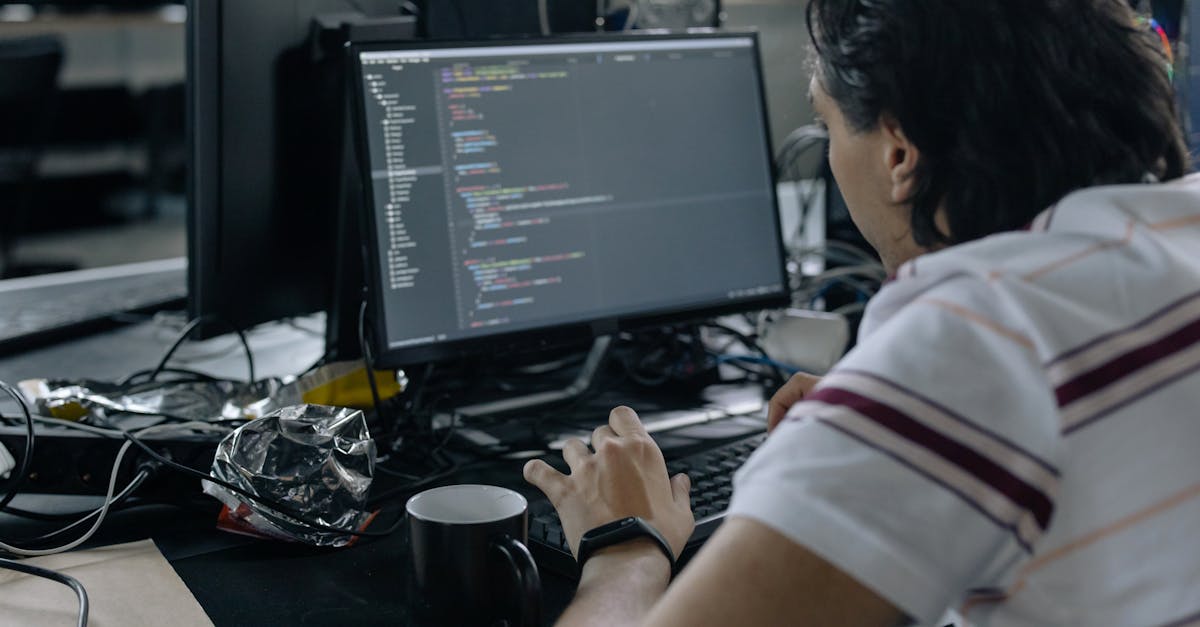
Marcus Webb, 34, a backend engineer at a financial software firm in Austin, spent five business days isolating a memory leak in production code before realizing the problematic function had been suggested to him by a Slack message from a colleague three months prior, then refined by GitHub Copilot, then modified by a team member he never directly communicated with, then cached by an internal code-search tool, and finally deployed by an automation pipeline he had not reviewed. The code worked. The bug was his.
When asked to identify which portions of the file he had personally authored, Webb reviewed the git blame output, the Copilot suggestion history, the Slack archive, the pull request comments, and the CI logs. He then declined to answer. I know I typed some of it, but I cannot tell you which parts, he said.
I know I typed some of it, but I cannot tell you which parts.
His engineering manager, Patricia Chen, acknowledged the ambiguity during a one-on-one meeting but clarified that Webb remained accountable for the function's behavior. The distinction between contribution and ownership, Chen explained, was no longer material to performance reviews. What matters is that the system works and nobody gets paged at three in the morning, she said, then added that Webb should document his debugging process in a shared wiki for the benefit of future engineers who might inherit the code and face the same uncertainty.
Webb has since begun writing all new functions from scratch, without Copilot, without Slack suggestions, and without consulting the internal code-search tool. His pull requests now take three times as long to review because they lack the architectural patterns suggested by the ambient tools. His manager has asked him to reconsider his approach.
At press time, Webb's team had begun a formal effort to map ownership of the entire codebase using a machine-learning model trained on commit history, Slack metadata, and GitHub Copilot suggestion logs. The model is scheduled to produce a report by the end of next quarter. Webb said he would read it, though he expressed no confidence that the results would clarify anything.