Due diligence failures in AI funding
StartupsInvestor Asks Founders If Their Moat Is The Technology Or Just Incomprehension
The question emerged during a Series B pitch meeting after the venture capitalist realized he could not distinguish the startup's product from three others in his portfolio.
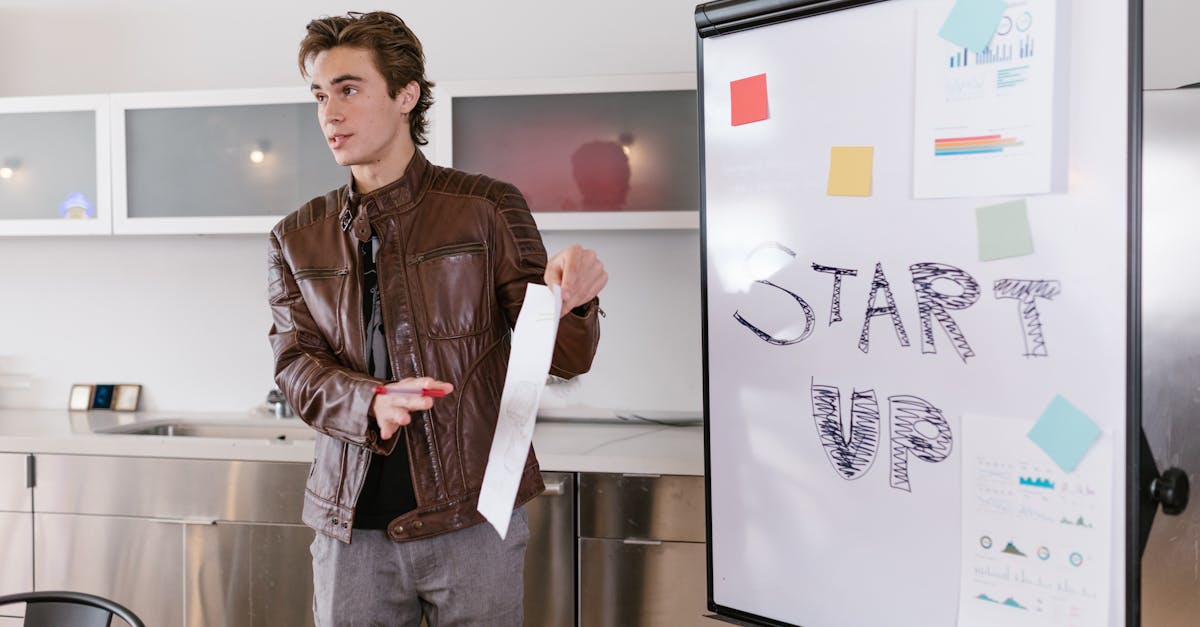
A founding team at Veridian AI, a machine learning company based in San Francisco, spent forty-five minutes on Tuesday describing their proprietary architecture to a partner at Cascadia Ventures before the investor interrupted with a single clarifying question: was their competitive advantage rooted in superior engineering, or in the fact that no human being outside the company had successfully understood what they did. The founders fell silent. The investor waited. A product manager who had joined the company six weeks earlier began to sweat.
The exchange, confirmed by two people present, exposed a recurring blind spot in Series A and Series B funding rounds: the systematic inability of investors to separate technical legitimacy from technical obscurity, and their reluctance to push back until the wire transfer has already cleared.
I genuinely cannot tell if you have solved the problem or if I have simply never heard anyone explain the problem before.
"I genuinely cannot tell if you have solved the problem or if I have simply never heard anyone explain the problem before," the investor said, according to a person with direct knowledge of the conversation who declined to be named because they had signed an N.D.A. that covered the exact substance of this conversation. The founder, Marcus Chen, thirty-one, of San Mateo, responded that the technology was in fact both: they had solved a real problem that existed at scale in enterprise machine learning, and the problem was so specialized that most investors lacked the technical depth to distinguish it from adjacent problems, making the narrowness of the addressable market itself a form of defensibility.
The investor noted this down, though not before asking whether the company had ever stress-tested this theory by hiring a consultant with a PhD in machine learning to read their pitch deck in isolation and report back on whether he thought they had built something or simply had a Slack channel nobody else could access.
The exchange prompted Cascadia to request three external technical reviews before proceeding. Two reviewers concluded that the technology was sound but that they could not articulate to another person what made it distinct from competitors. The third reviewer, a former researcher at a large language model company, suggested in his report that it was possible the founders themselves could not articulate the distinction, but that this had not stopped them from obtaining sixty-two million dollars in funding to date. He recommended the investment proceed, noting that if the company failed, the failure would at least be instructive.
At press time, Cascadia had committed twenty-five million dollars to Veridian's Series B round. The investor's partnership agreement requires that he recuse himself from future board meetings and that no member of the firm may ask the company a direct question about their moat for at least eighteen months, a restriction he cited as necessary to allow the founders time to develop the answer.